

 EN
EN  ID
ID 
About the Program
To expand education and awareness about sustainable healthy eating habits (planetary health diet) among young people, Meatless Monday Indonesia (MMI) launched a school outreach program targeting senior high schools and equivalent institutions in Jakarta. This program serves as a way for MMI to bring discussions about healthy and sustainable diets closer to students’ everyday lives.
Today’s youth are becoming increasingly concerned about health, the environment, and the challenges posed by the climate crisis. Through this program, MMI aims to create a space where young people can channel that concern into simple, meaningful actions—starting with healthier eating habits that are also more responsible toward the planet.
Why Does This Program Exist?
This program was created to increase students’ understanding of the importance of reducing meat consumption, which can help lower carbon footprints and reduce the impacts of the climate crisis, such as deforestation, greenhouse gas emissions, and excessive water use.
In addition, the program encourages young people to adopt Meatless Monday as a healthy and environmentally friendly lifestyle while also appreciating Indonesia’s rich diversity of local plant-based foods.
Lastly, the program aims to build friendship networks through the Meatless Monday Youth Network/Alliance, enabling students to spread the Meatless Monday movement further among their peers.
How Does the Program Work?
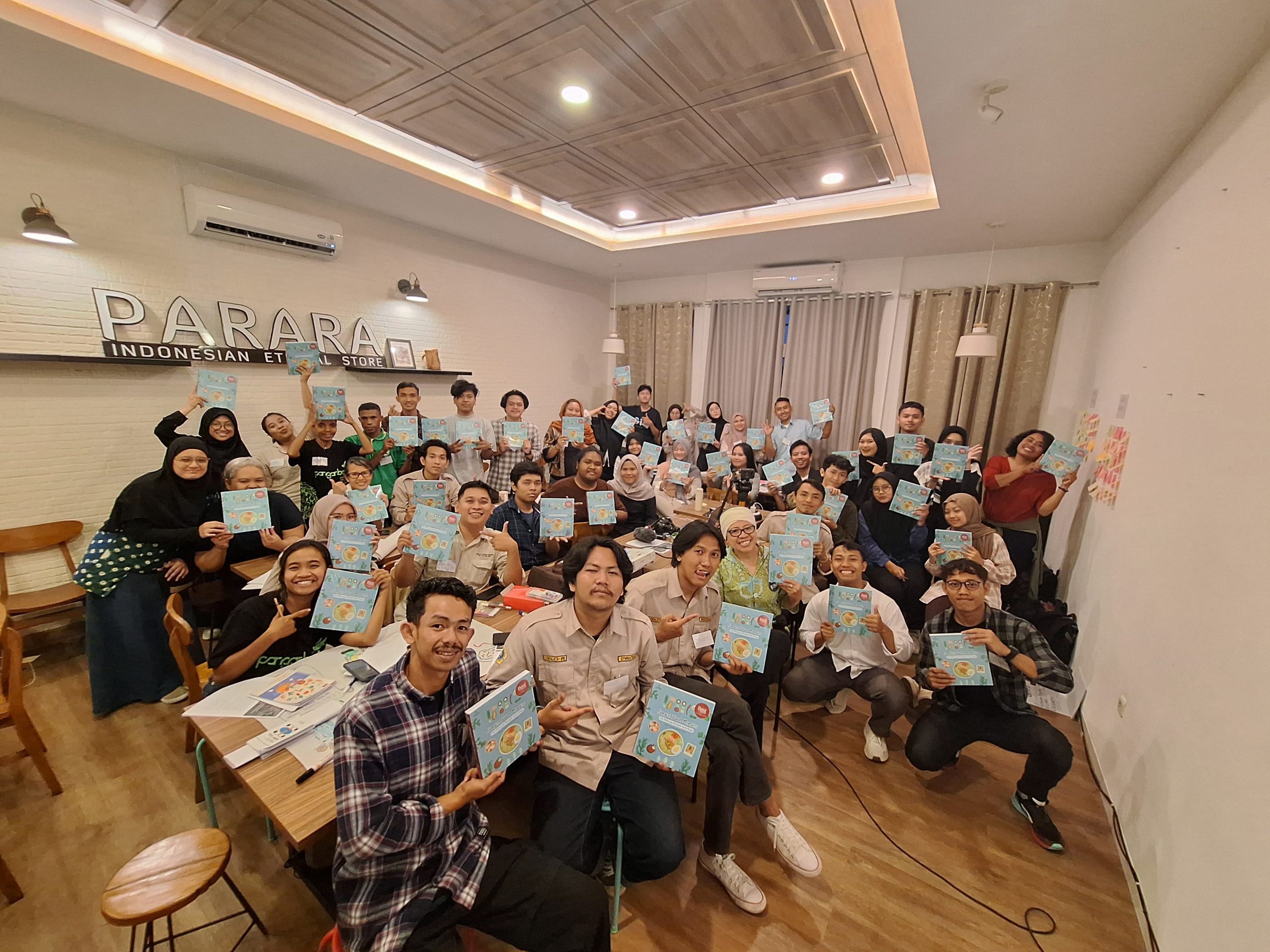
Through this initiative, Meatless Monday Indonesia reached 20 schools, involved 20 facilitators, and successfully educated more than 500 students, with a campaign target of approximately 1,000 students regarding awareness of Meatless Monday.
The program was implemented in collaboration with Palang Merah Indonesia (PMI) East Jakarta and involved participants from the Youth Red Cross (PMR) in grades 10 and 11.
The activities were designed as interactive and engaging two-session class meetings. Sessions began with “myth vs. fact” discussions about food and the environment or short presentations, followed by group games and ice-breaking activities.
Students were also invited to categorize different types of foods using cardboard-based learning media to better understand more sustainable food sources. At the end of each session, participants expressed their ideas and reflections through poster or infographic creation, as well as mini social media assignments, as creative ways to spread the Meatless Monday message within their school communities.
What Was the Impact?
Participants were encouraged to begin building more conscious lifestyles, particularly in choosing healthier and more environmentally friendly eating habits as part of efforts to address the climate crisis.
Beyond environmental impacts, more balanced consumption patterns can also help reduce the risk of non-communicable diseases (NCDs) from adolescence and provide long-term health benefits.
Overall, the program successfully educated 898 students about Meatless Monday. Participants’ enthusiasm was also reflected in the creative competition segment, where 203 teams registered for the wall magazine/digital poster competition, and 155 teams actively participated in the digital poster contest.
From the educational sessions, many students admitted that it was their first time learning about the concept of Meatless Monday and understanding its connection to issues such as the climate crisis and global warming.