

 EN
EN  ID
ID 
In this vast and complex world, sometimes the most urgent solutions do not come from expensive and sophisticated technology, but rather from the simple gifts of nature that we often overlook. Our kitchens store tiny yet powerful seeds known as pulses. From mung beans and lentils to red beans, these small food staples have contributed to human civilization for thousands of years.
Every February 10, the world commemorates World Pulses Day, a day initiated by the United Nations to raise awareness that this commodity is far more than just a side ingredient. Despite their small size, pulses hold the key to human health, soil fertility, and food security amid the climate crisis.
Let us take a closer look at why these tiny seeds deserve a leading role on our plates and in the future of our planet.
Small but Rich in Nutrition
From a medical perspective, pulses are a nutritional powerhouse rarely matched by other plant-based foods.
One of their greatest strengths is their high content of plant-based protein and dietary fiber. These nutrients help reduce the risk of cardiovascular disease and diabetes, support weight loss, and improve bone health.
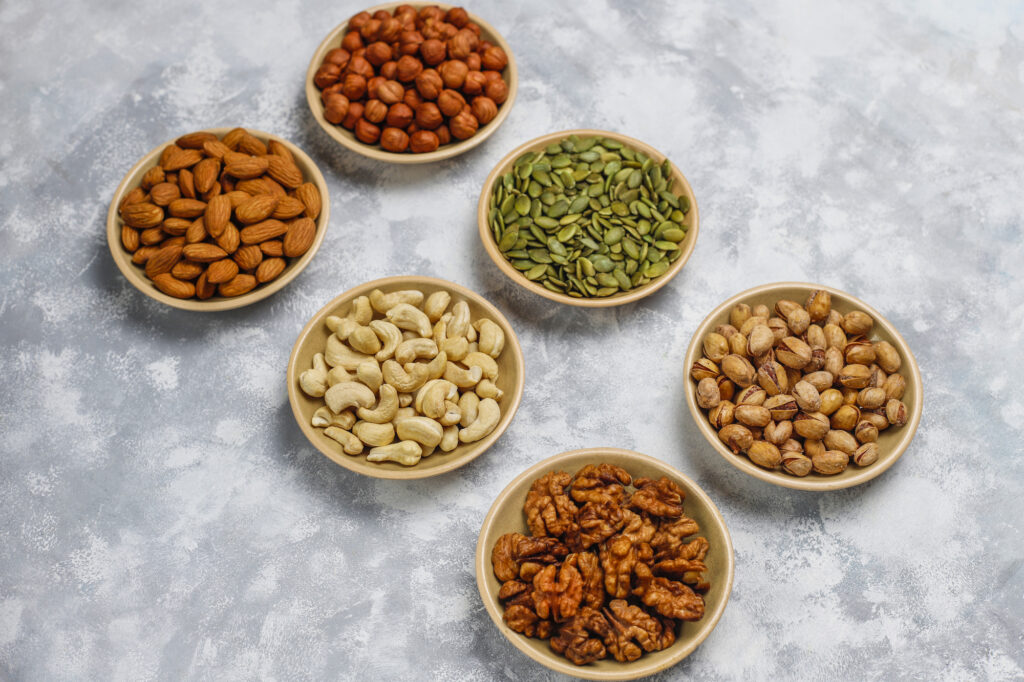
Sources: Freepik
It is important to know that seed-based foods are not limited to peanuts or almonds alone. There are also legumes and pods, which belong to the same “family.”
So, what exactly are legumes and pulses?
Legumes is the general term for plants whose fruits grow in the form of pods. This means that not only the seeds, but the entire plant—including the leaves, stems, and pods—belongs to this category.
The edible seeds from these pod-bearing plants, such as green beans, peas, and lentils, are also part of the pulse group.
In short, they are nutrient-dense plant-based protein sources, affordable, and certainly more sustainable for everyday consumption.
If protein has always been associated only with meat, perhaps it is time to rethink that assumption. From these small pods come benefits that are no less significant.
The Benefits of Consuming Pulses
According to Hello Sehat, these foods contain healthy fats, vitamins, minerals, fiber, and phytonutrients (natural plant compounds) that function as antioxidants.
Overall, some of the benefits we can gain from consuming pulses include:
- providing essential nutrients for the body
- helping maintain an ideal body weight
- reducing inflammation in the body
- lowering cholesterol and triglycerides (a type of fat found in the blood and fat cells)
- reducing the risk of heart disease and stroke
- supporting healthy gut bacteria and improving digestion
All of these benefits have actually been part of our diet for a long time, passed down from our ancestors.
Various types of beans and pulses have long been transformed into delicious and nutritious foods.
Traditional Culinary Dishes Made from Pulses
From generation to generation, various beans have been processed into dishes that are not only delicious but also rich in nutrients.
Tempeh, tofu, mung bean porridge, and peanut-based dishes have long been part of our daily meals, showing that our local food culture has long understood the importance of balanced nutrition.
Without the label of “superfood”, without viral diet trends, their benefits have always been real and close to everyday life.
Beyond the foods mentioned above, there are still many local dishes made from pulses, such as peyek kacang (rempeyek), a crispy snack made from rice flour and peanuts. This food often accompanies rice dishes such as nasi pecel.
Next is ampyang, a traditional snack from Central Java made from peanuts, ginger powder, and palm sugar dissolved in water. The warm sugar mixture is combined with roasted peanuts. The flavor is predominantly sweet, with a savory taste and a slight spiciness from the ginger.
From the island of Bali, there is kacang kapri, made from peeled peanuts that are fried and commonly bought as souvenirs by tourists visiting Bali.
Lastly, mochi filled with peanuts, which is well known in Indonesia, is commonly sold in areas such as Semarang and Sukabumi. Mochi itself was first introduced by members of the Chinese-Indonesian community around the 1960s. Over time, it has been widely innovated and adapted by Indonesian society.
The commemoration of World Pulses Day 2026 serves as a reflection for us that local pulse-based foods have long been part of our lives. Every tiny seed contains countless benefits for building a healthier generation and a more sustainable planet in the future. This annual momentum every February 10 should become a starting point for us to remember and bring more pulse-based dishes onto our plates. This is in line with the Meatless Monday eating pattern, which emphasizes the consumption of vegetables, fruits, and pulses. In doing so, we are not only creating better health within our bodies, but also supporting local farmers in maintaining environmental sustainability and preserving our local food system.
Happy World Pulses Day.
Reference
Lestari, D.A. 2024. 10 Types of Beans That Are Healthy for the Body.. https://hellosehat.com/nutrisi/fakta-gizi/jenis-kacang-kacangan-yang-sehat/
Meatless Monday. Facts about beans and health. https://meatlessmonday.publichealth.jhu.edu/resources/facts-about-beans-and-health
Meatless Monday. Bean resources. https://meatlessmonday.publichealth.jhu.edu/action/beans-resources?utm_source=Meatless+Monday&utm_campaign=97111214ff-How+to+make+beans+the+star_2_19_26__&utm_medium=email&utm_term=0_-88fe7a6e1b-67884620
Sjafei, H. 2022. A List of Delicious and Tempting Foods Made from Beans. https://buku.kompas.com/read/3056/daftar-makanan-dari-kacang-kacangan-lezat-dan-menggoda-selera