

 ID
ID  EN
EN 
“Tongkat kayu dan batu jadi tanaman” dari lagu Kolam Susu Koes Plus sering kita dengar sejak kecil. Lirik itu bukan sekadar ungkapan puitis saja, Indonesia memang kaya akan sumber pangan. Untuk pangan nabati saja, ada lebih dari 900 spesies yang tumbuh di Indonesia, baik yang dibudidayakan maupun yang hidup liar. Di setiap wilayah, peneliti menemukan sekitar 50 hingga 180 jenis pangan nabati yang bisa dimanfaatkan (Rahayu et al, 2024).
Yet today, the reality is that we are becoming increasingly dependent on rice as the main source of carbohydrates. This dependency is highly risky. When rice prices rise due to economic factors or weather conditions, we are directly affected. In addition, the body receives only one type of intake, even though we need a wider range of nutrients.
This is where food diversification becomes important—or simply put, enriching our food choices. This does not mean abandoning rice entirely, but rather adding sources of carbohydrates, protein, and vitamins from various other food ingredients. Food diversity also helps us appreciate our ancestral heritage and local wisdom, considering that Indonesia has so many traditional food resources.
Lalu, bagaimana cara kita mulai menghargai dan menerapkan keragaman pangan ini? Mari lanjut ke bagian berikutnya.
Diversifikasi Karbohidrat pada Piring Kita
Replacing rice with local foods actually offers many health benefits. Indonesia has at least 77 types of local carbohydrate sources, including tubers, corn, sago, taro, and many others that have great potential to reduce our dependence on rice. Various crops such as arrowroot, canna, ganyong, and sorghum are even becoming popular again because of their good nutritional value and suitability as functional foods (Fetriyuna et al., 2024).
“Dalam panduan “Isi Piringku” dari Kementerian Kesehatan, setengah piring dianjurkan berisi sayur dan buah, sementara setengahnya lagi diisi makanan pokok dan lauk. Makanan pokok ini sebenarnya tidak harus nasi. Kita bisa menggantinya dengan umbi-umbian seperti ubi, talas, singkong, atau kentang. Pergantian ini pun tidak harus langsung total, bisa dimulai perlahan, misalnya hanya saat sarapan atau makan malam.
Reducing rice consumption also brings health benefits. One of them is lowering the glycemic index (GI), which is a measure of how quickly food raises blood sugar levels. White rice has a relatively high GI, around 86–90, making it more likely to trigger diabetes if consumed excessively. Meanwhile, cassava and corn have much lower GI values, around 46 and 40, making them safer for blood sugar levels (Klikdokter, 2017).
Memperkaya Asupan Protein dan Lemak
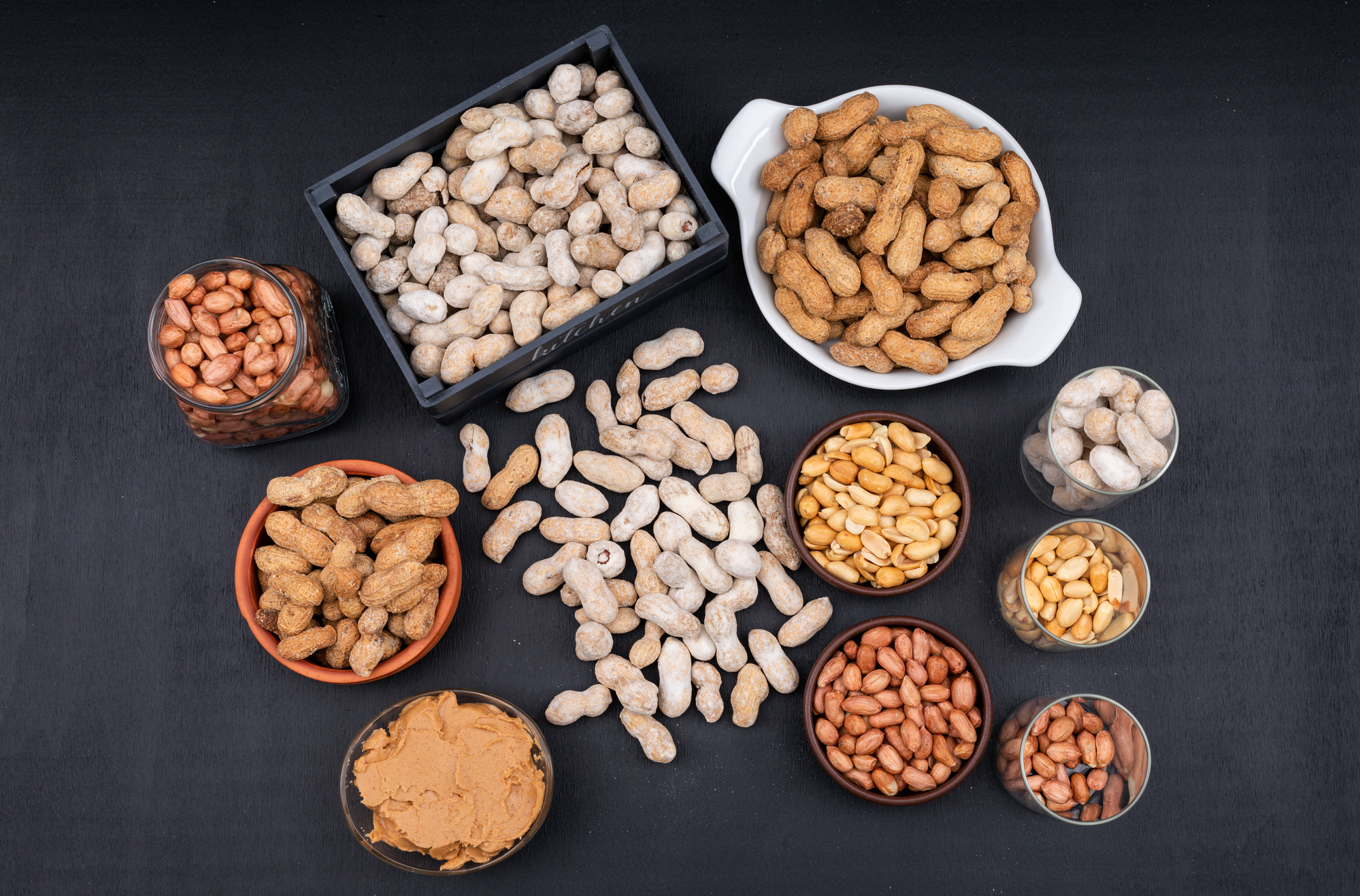
If we look at the availability and consumption data for plant-based protein, the figure in 2023 was around 52.29 grams per capita per day. This number has actually declined compared to previous years (54.1 grams in 2022; 54.59 grams in 2021; and 55.65 grams in 2019) (Alfathi, 2025). Even so, plant-based protein still dominates the dietary patterns of Indonesian society, especially from legumes, seeds, tempeh, tofu, and vegetables (Bapanas, 2025).
To increase plant-based protein consumption and avoid boredom with repetitive menus, foods such as tofu and tempehcan be prepared in many creative ways. According to Dapur KOBE, there are more than 160 recipes using tofu and tempeh, ranging from crispy tofu with honey sauce, which combines sweet, savory, and slightly spicy flavors, to bite-sized tempeh with sweet chili sauce, making tempeh taste more delicious and different from the usual.
When it comes to fats, one important step in food diversification is reducing the use of reused cooking oil. Oil that is used repeatedly can increase the risk of various health problems, such as heart disease, high cholesterol, the formation of cancer-triggering compounds, and digestive disorders (Alodokter, 2025). If possible, use healthier oil options, such as olive oil or local coconut oil for sautéing. The main idea is to gradually shift from saturated fats to unsaturated fats, because saturated fats can contribute to weight gain and increase the risk of heart disease (Halodoc, 2022).
Pada akhirnya, keberagaman itu penting.
Pada akhirnya, keragaman pangan memang penting agar tubuh tidak hanya menerima asupan gizi yang itu-itu saja, tetapi juga mendapatkan nutrisi yang lebih lengkap. Indonesia sebenarnya sudah diberkahi dengan banyak sekali pilihan pangan lokal, tinggal bagaimana kita mau memilih dan mencobanya sesuai kebutuhan dan kemampuan.
Jadi, kamu sendiri sudah mulai menerapkan keragaman pangan di piring makanmu belum?
Referensi
Alfathi, B.R. 2025. Ketersediaan Protein Per Kapita Nasional Terus Menurun. https://data.goodstats.id/statistic/ketersediaan-protein-per-kapita-nasional-terus-menurun-NH1vr Alodokter. 2025. Minyak Jelantah, Kenali Bahaya dan Cara Mengurangi Dampak Buruknya. https://www.alodokter.com/minyak-jelantah-kenali-bahaya-dan-cara-mengurangi-dampak-buruknya Bapanas. 2025. Wujudkan Swasembada Protein, Badan Pangan Nasional Dorong Optimalisasi Sumber Daya Lokal. https://badanpangan.go.id/blog/post/wujudkan-swasembada-protein-badan-pangan-nasional-dorong-optimalisasi-sumber-daya-lokal Dapur Kobe. 2025. 169 Resep dengan tahu atau tempe. https://www.dapurkobe.co.id/semua/tahu-tempe Fetriyuna, F., Nurunnisa, D., Purwestri, R., Letsoin, S., & Marta, H. 2024. Nutritional Composition of Underutilized Local Food Resources for Rice Substitution and Gluten-Free Product. International Journal on Advanced Science, Engineering and Information Technology. Halodoc. 2022. Ini 2 Dampak Lemak Jenuh bagi Tubuh yang Jarang Diketahui. https://www.halodoc.com/artikel/ini-2-dampak-lemak-jenuh-bagi-tubuh-yang-jarang-diketahui Kemenkes RI. 2024. Isi Piringku, Panduan Kebutuhan Gizi Seimbang Harian. https://ayosehat.kemkes.go.id/isi-piringku-kebutuhan-gizi-harian-seimbang Klikdokter. 2017. Solusi Hidup Sehat dengan Diversifikasi Karbohidrat. https://www.klikdokter.com/gaya-hidup/diet-nutrisi/solusi-hidup-sehat-dengan-diversifikasi-karbohidrat?srsltid=AfmBOoroY-6OYYgp9OJnihvRTgF0RC1Sw1fKwRWKvtqzzZ2M301RCUuR Rahayu, Y., Sujarwo, W., Irsyam, A., Dwiartama, A., & Rosleine, D. 2024. Exploring unconventional food plants used by local communities in a rural area of West Java, Indonesia: ethnobotanical assessment, use trends, and potential for improved nutrition. Journal of Ethnobiology and Ethnomedicine, 20.