

 EN
EN  ID
ID 
This article was previously published in GNFI
Writer : Muhamad Fikri Asy’ari
Imagine if one day the rice we eat every day suddenly disappeared from circulation because it became scarce. Worried? Of course! But in Cirendeu Village, Cimahi, they have long had a smart and remarkable way to survive without depending on rice. Yes, they chose cassava as their daily staple food. Quite unconventional, isn’t it? But because of this, they have become resilient in facing food security issues in their area.
Getting to Know Cirendeu Village
Cirendeu Village is located in Leuwigajah Subdistrict, South Cimahi District, Cimahi City. Behind its history, this village holds a tragic past, as it was once the site of the Leuwi Gajah Final Waste Disposal Area (TPAS). The area was once dominated by towering piles of garbage, which eventually led to a devastating landslide on February 21, 2005, claiming 157 lives.
Today, those hardships have been replaced by the community’s traditions and vast cassava plantations. In fact, Cirendeu Village has been recognized as a “food hero” because it replaced rice with cassava. The village is also known as a traditional village because its guiding principles are based on ancestral customs that continue to be practiced by the local community.
The community’s shift to cassava as a staple food has a long history. It began during the Dutch colonial era when a food shortage occurred, particularly of rice. As a result, followers of the belief system that forms the foundation of the community’s traditions, namely Sunda Wiwitan, were required to fast by replacing rice with cassava rice for an indefinite period.
The purpose was to achieve physical and spiritual independence, to test one’s faith, and to ensure that the community always remembered Sang Hyang Kersa (God Almighty). In line with these values, since 1918 the people of Cirendeu Village have gradually shifted away from rice as their staple food.
This transformation was pioneered by Ibu Omah Asmanah, the daughter of Bapa Haji Ali Madrais. Bapa Haji Ali Madrais himself is regarded as the ancestor of the Cirendeu community.
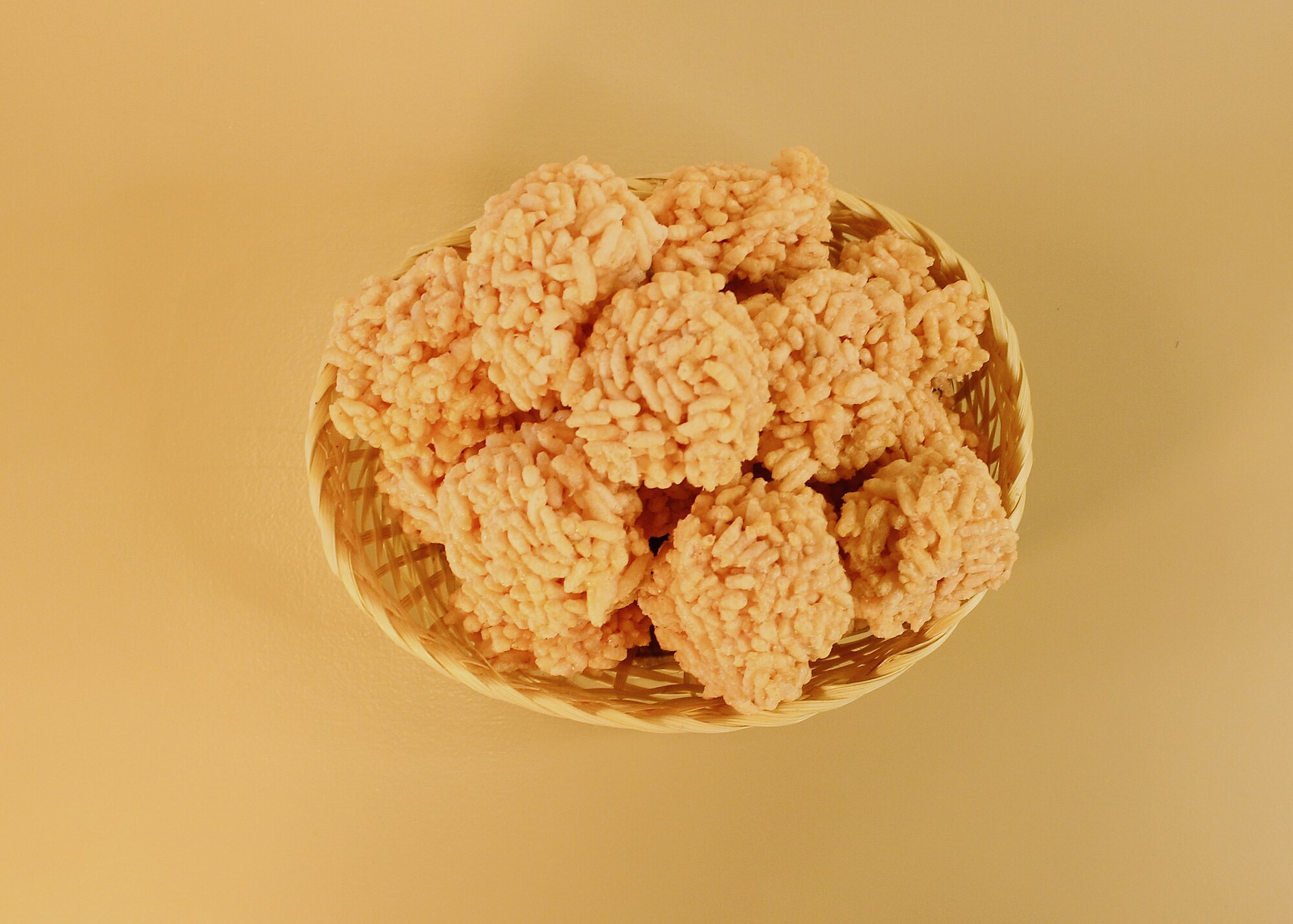
Ibu Omah Asmanah further developed this non-rice staple food and was officially recognized as a “food hero” in 1964 by the Wedana of Cimahi. Eventually, up to the present day, Cirendeu Village no longer experiences difficulties in meeting its food needs. Cassava has become the community’s savior from food crises. It is not only processed into cassava rice, but also into various foods made from cassava.
The Food Security Concept of Cirendeu Traditional Village
In the midst of Indonesian society, which is often identified with the saying “you haven’t eaten if you haven’t had rice,”Cirendeu Village stands out with a strong concept and philosophy.
When examined closely, food security in Cirendeu is not explained through complicated theories, but rather through real practices in the community’s daily life. Several factors have enabled them to survive until now, including:
Food diversification, with cassava replacing rice and being processed into rasi (cassava rice) as well as various delicious foods. Because they are not dependent on rice, Cirendeu Village is free from the impact of rising rice prices and shortages in the market. This local food source has saved the residents from hunger and food scarcity.
Food independence is achieved because the community does not rely on the market and independently cultivates cassava within the village. As a result, people can harvest and process it themselves without worrying about price fluctuations or quality issues.
Local wisdom—the traditions and ancestral principles of the Cirendeu community—has greatly contributed to this diversification and food independence. These traditions have been passed down across generations and remain highly relevant today amid ongoing food challenges.
This mindset could be summed up as “no rice, no cry.” With cassava available, they can continue living healthy, full, and independent lives.
The Philosophy Behind Cassava
So, why cassava?
For the people of Cirendeu, cassava is not merely food, but also a symbol of independence. This is also in line with the words of Haji Ali Madrais, who said that if the people of Cirendeu wished to avoid disaster, they must abstain from eating rice. With this belief, they have become less vulnerable to food crises.
Through cassava alone, they have shown that life can continue without simply following the mainstream. This philosophy is certainly in harmony with today’s youth trends, such as eco-living, sustainable lifestyles, and back-to-nature movements.
In addition, according to Alodokter, cassava contains more carbohydrates than rice, nearly 40 grams. It also provides other nutrients such as protein, fiber, folate, vitamin B, vitamin C, and potassium.
Lessons for Young People
As young people, by observing the success of Cirendeu Village in shifting its food system, we can learn valuable lessons such as mindful eating, becoming more aware of what we consume.
The issue of food crises, intertwined with climate change, has encouraged us to engage in urban farming, hydroponics, or even build local food communities.
With these small steps, the impact can become significant if carried out consistently. If we look at how the people of Cirendeu survive without rice, we too can begin with the simplest actions: reducing food waste, trying to grow our own vegetables, or supporting local products.
References
Alodokter. 2024. 8 Easy-to-Find and Nutritious Carbohydrate Alternatives to Rice.
Jabbaril, G.A. 2018. The Survival Resilience of the Cirendeu Traditional Village Community from an Anthropological Perspective. Jurnal Budaya Etnika Vol. 2 No. 1