


 EN
EN  ID
ID 
Amid the flood of instant meals, junk food, ultra-processed foods (UPF), and frozen food that are fast and practical, many young people are now beginning to turn back to traditional food—especially various plant-based dishes prepared by steaming.
This phenomenon has emerged alongside the growing awareness of the importance of a healthy and nutritious diet.
For a generation familiar with fried food, the term “steamed food” may once have sounded old-fashioned.
But now, steamed food is actually on the rise and has become the “new hero” of clean eating among young people who are looking for a more mindful eating pattern.
From taro, corn, edamame, peanuts, cassava, to colorful Cilembu sweet potatoes (purple, yellow, and orange), these local ingredients have become favorites in the hands of the younger generation.
Why is that? What exactly is the appeal?
Traditional Steamed Food Becomes a Rising Trend
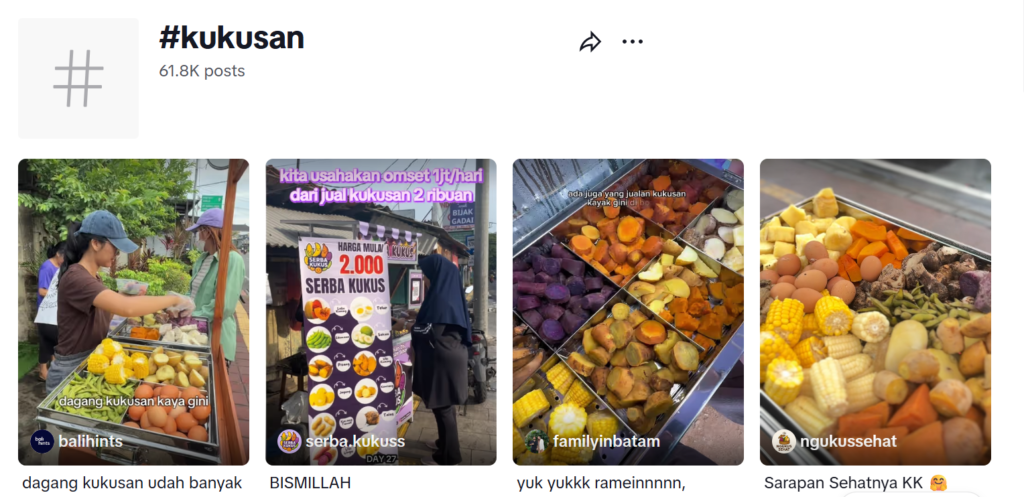
This steamed food trend began to explode thanks to social media, especially TikTok. Hashtags such as #SteamedFood and #RealFood have been widely discussed because they are seen as representing a more natural lifestyle—oil-free, low in fat, yet still delicious and nutritious. Short videos showcasing various steamed food menus have successfully captured the attention of young people, making them curious and eager to try it.
Because it went viral, this trend has also encouraged many people to start selling steamed food, both as street vendors and at Car Free Day (CFD) events every weekend. Steamed food has also become an alternative breakfast option that is healthy, simple, filling, and easy to carry around.
Aisyah (25), one of the Gen Z voices, admitted that she did not expect to see young people becoming fond of steamed food.
“Honestly, this positive trend is very unexpected, because young people are usually closely associated with ultra-processed food. But now many are becoming aware of the importance of eating healthy and caring for the environment. Hopefully, those young people who advocate this movement can continue spreading awareness about the importance of healthy food and local food for a better future,” she said.
According to Aisyah, this trend is a good sign that more young people care about health and the environment. They not only want to look healthy, but also want to contribute to a better lifestyle transformation.
This phenomenon shows that amid the overwhelming presence of instant food, many young people still choose to return to a way of eating that is simpler, more nutritious, and more body-friendly. Steamed food is not merely a healthy choice, but also a symbol of a new modern lifestyle that still stays rooted in tradition.
A Positive Trend Worth Becoming a Lifestyle
The rising interest in steamed food comes at the right moment. Data from the Indonesia Health Survey (SKI) shows that the obesity rate among adults increased from 21.8% in 2018 to 23.4% in 2023. This means that if the trend continues, more than 68 million Indonesian adults may be at risk of obesity by 2025.
Not only that, the SKI (2023) also recorded cases of high cholesterol among young people aged 15–24 years at 158 cases, while the 25–34 age group reached around 139 cases. These numbers could continue to rise if dietary patterns and lifestyles are not improved.
The steamed food trend can become one possible solution. Many studies show that consuming plant-based foods such as sweet potatoes, cassava, and legumes helps reduce the risk of obesity and high cholesterol. The fiber content, plant-based protein, and natural compounds such as anthocyanins and carotenoids play an important role in maintaining body weight, inhibiting fat absorption, and improving metabolism. In addition, they can help lower total cholesterol and bad cholesterol levels (Ferreira et al., 2020; Mullins et al., 2021).
More than just a health trend, the revival of steamed food also opens up opportunities for economic growth and cultural preservation. Local ingredients such as Cilembu sweet potatoes, taro, and cassava can become high-value commodities when processed with creative and healthy touches.
Today, steamed food is no longer a symbol of “food for older generations,” but rather a smart choice for young people who want to stay healthy without sacrificing flavor. What was once considered “bland” has now transformed into an icon of a new lifestyle—healthy, simple, and rooted in the traditions of the Indonesian archipelago.
So, have the Meatless Monday Warriors ever tried these steamed foods?
Reference
Ferreira, H., Vasconcelos, M., Gil, A., & Pinto, E. (2020). Benefits of pulse consumption on metabolism and health: A systematic review of randomized controlled trials. Critical Reviews in Food Science and Nutrition, 61, 85 – 96.
Mullins, A., & Arjmandi, B. (2021). Health Benefits of Plant-Based Nutrition: Focus on Beans in Cardiometabolic Diseases. Nutrients, 13.