


 EN
EN  ID
ID 
Imagine the life of young people in big cities: everything moves at a fast pace, working overtime until late at night, coffee as a loyal companion, and fast food as the go-to solution when hunger strikes. For years, this has been almost like the “Gen Z starter kit.” But lately, there has been an interesting—and actually quite radical—shift in how the younger generation interprets healthy living.
In the past, being “cool” was often associated with nightlife and parties, which were closely linked to alcohol. However, a Gallup survey (2025) shows a different pattern, where alcohol consumption among young people has declined from 72% to 62% over the past two decades. Although the decrease is “only” 10%, it actually represents a significant shift, because having fun is no longer automatically associated with alcoholic drinks.
In its place, especially in the post-COVID-19 era, a wave of new and more mindful activities has emerged. Morning and evening yoga in the park, marathon running while uploading Strava routes, padel as the latest trending sport, and experimenting with healthy and plant-based cooking at home. Eventually, all of these trends have formed new communities.
According to Lokadata, 24% of Gen Z and millennials now exercise regularly at least three times a week, maintain healthy eating habits, get enough sleep, and stay away from smoking and alcohol. Half of Gen Z respondents also said that they exercise for physical health, not merely for aesthetics, because they want to feel refreshed and energized.
In addition, environmental awareness has gone hand in hand with the growing health consciousness of young people. From tote bags and tumblers to food choices such as Meatless Monday, it has become a lifestyle that promotes health without harming the planet.
Healthy Living: Aesthetic Content or Real Priority?
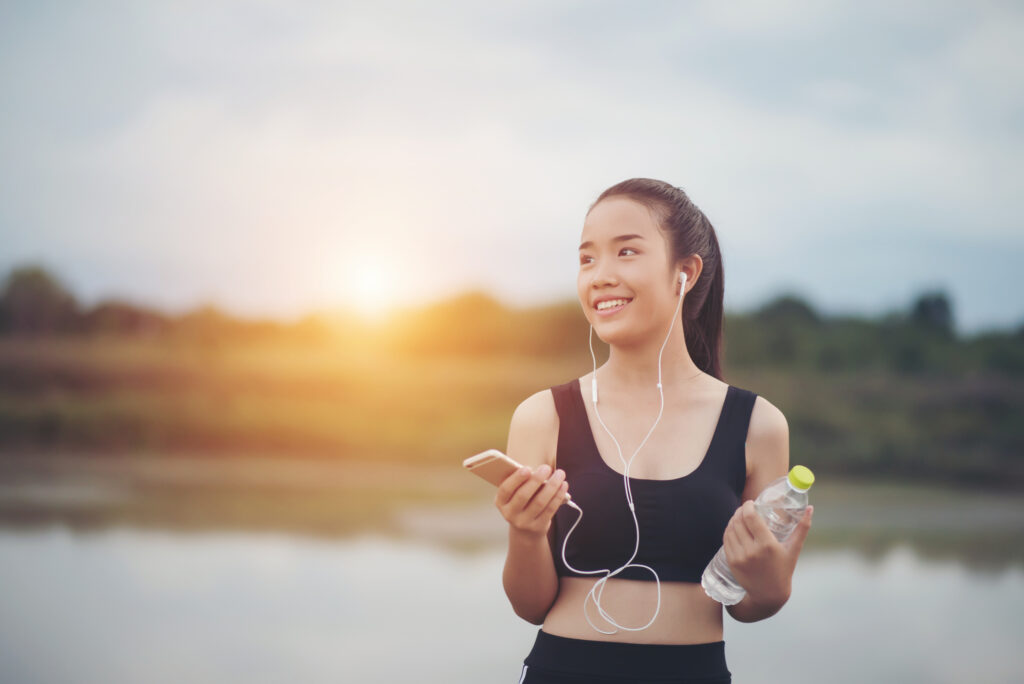
From Strava-tracked runs, trending padel matches, to aesthetically pleasing Pilates movements, all of these have become part of the new wave of exercise culture among urban youth.
This phenomenon did not appear out of nowhere; much of it has been driven by the personal branding created by influencers through neat and aspirational visual content on TikTok and Instagram.
Many young people admit that they were encouraged to adopt healthier habits after watching health influencer content, ranging from light exercise and drinking water in the morning to improving their diet. Even so, they remain selective and do not consume all content uncritically (Aryanto & Irwansyah, 2025).
This kind of content indeed has a fairly positive domino effect: it sparks collective motivation, encourages health literacy, and gradually normalizes a more mindful lifestyle.
In fact, this trend has given rise to new communities in major cities, such as running groups, padel clubs, and Pilates circles, making exercise feel like a new kind of social space.
A report by Women’s Health also shows a similar pattern. According to Strava’s Year in Sport data, 58% of young people said they made new friends through sports activities, and one in five Gen Z individuals has even gone on a date with someone they met while exercising.
However, there is another side that needs to be acknowledged.
The “polished” standard of healthy living often creates new pressure. Activities such as padel or Pilates are not cheap, from the outfits to the venue fees. As a result, this healthy lifestyle can become exclusive for certain groups.
This is where the challenge lies: how can we stay healthy without getting trapped by standards created merely by algorithms and aesthetics?
ack to the Core: Being Healthy for Yourself
For a more mindful healthy lifestyle, start with one thing: prioritize yourself, not FOMO (Fear of Missing Out).
Sometimes we get so busy chasing what is currently trending that we forget to listen to our own bodies.
First, get to know yourself.
Ask simple questions such as:
- What type of exercise do you genuinely enjoy?
- Why do you want to exercise?
- What are your body’s actual limits?
Answer honestly.
These answers will become your compass so that you do not force yourself to follow someone else’s standards.
Second, remember that the process is more important than the image of the final result.
Social media often only shows the “after” version, while what remains invisible are the hundreds of “before” moments filled with trial and error.
Instead of feeling anxious, enjoy your own process—your breathing rhythm, muscles that gradually become stronger, and moods that slowly become more stable.
No matter how small the progress is, appreciate it and celebrate it.
Third, maintain balance.
Exercise is important, but your life is not only about that.
Set a healthy schedule:
- when to push yourself
- when to rest
- when to focus on studying or work
The right intensity is far more sustainable than forcing yourself every day until you get injured and lose motivation.
Fourth, clean up your timeline from content that makes you feel inadequate.
Toxic fitness content is real.
It can make you feel insecure, trigger FOMO, and make you think you must follow certain trends in order to be considered “cool.”
Fill your feed with accounts that feel real, supportive, and aligned with who you are, as well as communities that help you grow rather than pressure you.
In the End, It’s About You
Recently, the healthy lifestyle trend among young people has clearly grown stronger—from influencers and increased health literacy to the desire to take better care of their own bodies.
But there is another side that needs attention: some exercise trends are expensive and feel exclusive.
That is why it is important to return to what truly matters: choose the type of exercise that suits you, not one that is meant to seek validation from others.
So, have you personally felt this shift in trends around you?
References
Arlado. 2025. The New Lifestyle of Gen Z and the Anti-Alcohol Trend.
Aryanto, T.N. & Irwansyah. 2025. Healthy Lifestyle Trends Through Social Interaction on TikTok: The Effectiveness of Health Content on Lifestyle Changes. Da Watuna Journal of Communication and Islamic Broadcasting 5(4): 350–363.
CNN Indonesia. 2025. Exercise Becomes the New “Night Club” Among Gen Z.
Rahmita, A. & Al-Yamani, Z. 2025. Survey: 24 Perc