


 EN
EN  ID
ID 
Who doesn’t know kolak and kicak? These sweet traditional dishes are among the most sought-after takjil snacks during Ramadan to break the fast. Kolak is widely recognized as one of Indonesia’s signature Ramadan foods, while kicak also adds to the festive atmosphere. Their sweet and warm flavors make them perfect after around 13 hours of fasting from food and drink. Across different regions, kolak comes in many variations of ingredients, and the same goes for kicak, which is made with a variety of components. Behind the delicious taste of these foods lies a deep history and cultural meaning for Indonesian society.
The Introduction of Kolak
Originally, kolak was introduced as a medium for spreading Islam by the Wali Songo on the island of Java. This dish was used because it was easily accepted by local communities, allowing Islamic teachings to be delivered in a subtle and effective way. Since then, kolak has become an inseparable part of Ramadan traditions, symbolizing how culture and religion blend harmoniously in Indonesian society.
The word kolak itself is believed to come from the Arabic word khalik, meaning “The Creator” or Allah SWT. The idea is that while eating kolak, people are also reminded of the Creator and encouraged to draw closer to Allah SWT, especially during the holy month of Ramadan.
The ingredients in kolak also carry symbolic meanings within Islamic teachings. Traditionally, kolak is made with pisang kepok (a type of banana), sweet potatoes, and coconut milk.
- Pisang kepok symbolizes kapok or repentance, reminding people to stay away from sin and avoid repeating past mistakes.
- Sweet potatoes, or telo pendem, symbolize burying past wrongdoings and focusing on becoming a better person blessed by God.
- Coconut milk, known in Javanese as santen, is associated with the word pangapunten, meaning forgiveness—representing asking forgiveness from God and from fellow human beings.
The Sweet Tradition of Kicak
Although not commonly known throughout Indonesia, kicak is a famous Ramadan delicacy from Yogyakarta, especially from Kauman Village in Yogyakarta City. It is made from glutinous rice, young coconut, jackfruit, sugar, and pandan leaves, creating a rich sweet and savory taste.
According to gastronomy expert Minta Harsana from Yogyakarta State University, kicak has existed and been enjoyed by the community since the 1950s. The word kicak itself represents the sweetness of the dish. It is derived from the Old Javanese word kinca, meaning palm sugar, a term often found in ancient inscriptions.
If kolak symbolizes remembrance of God, kicak represents strengthening social bonds during Ramadan. Its sweetness symbolizes the beauty of harmonious relationships and togetherness among people.
Together, these two traditional dishes symbolize gratitude and the importance of maintaining good relationships with others, ultimately creating balance in human life.
Easy Kolak Recipe
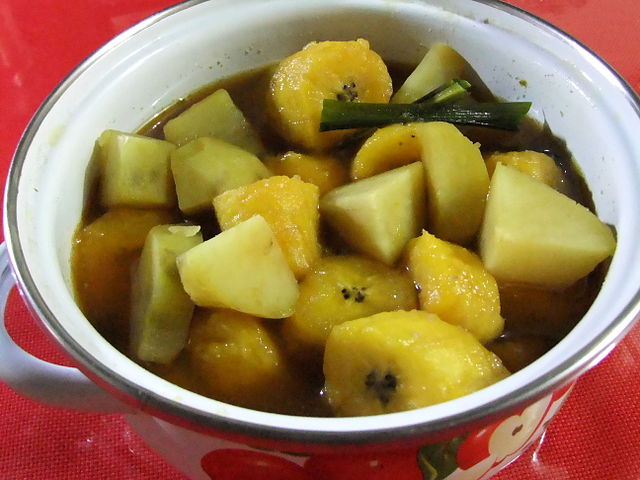
The ingredients for kolak are easy to find around us:
- 1 bunch of pisang kepok
- 4 tablespoons grated palm sugar
- 250 ml diluted coconut milk
- 2 pandan leaves
- ½ teaspoon salt
- 5 cm cinnamon stick (optional)
How to Make It
- Peel the bananas and cut them into three pieces.
- Boil all the ingredients together until the coconut milk starts to simmer and the bananas are fully cooked.
- Serve warm.
How to Prepare Kicak
Just like kolak, the ingredients for kicak are commonly available in local shops:
- 500 grams white glutinous rice
- ½ grated coconut
- 250 ml liquid coconut milk
- Salt to taste
- 3 pandan leaves
- Sliced jackfruit
- Grated palm sugar
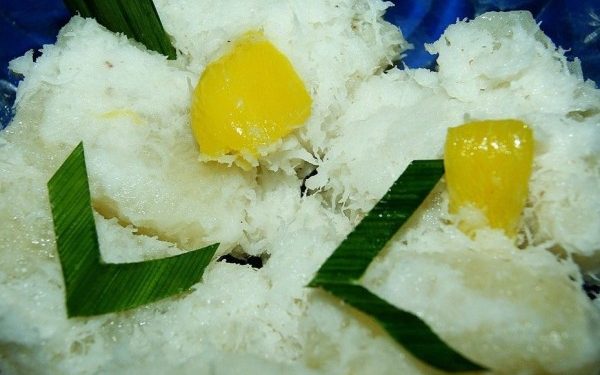
Steps
- Mix the glutinous rice, grated coconut, salt, and pandan leaves, then steam for more than 30 minutes.
- Remove the mixture and place it into boiling water for another 30 minutes until fully cooked.
- While still hot, pound the sticky rice mixture until smooth and chewy.
- To make the sauce, boil thick coconut milk with palm sugar, pandan leaves, and a pinch of salt until thickened.
- Serve by placing slices of the pounded sticky rice on a plate, pouring the palm sugar sauce over it, and topping it with sliced jackfruit.
References
- Achroni, D. Learning from Traditional Javanese Foods. Jakarta: Ministry of Education and Culture, Language Development and Fostering Agency.
- Daeng, M.F. (2024). Kicak, the Sweet Legend of Ramadan from Yogyakarta. Kompas.