


 EN
EN  ID
ID 
Traditional cuisine is the result of creativity and generations of cultural inheritance within communities. It is shaped by environmental conditions and the availability of local food resources. Long before the modern world popularized plant-based trends and healthy living campaigns, these ideas had already existed within the cultures of the Indonesian archipelago. Traditional cuisines from many ethnic groups in Indonesia have long incorporated plant-based ingredients. Even before the world became familiar with terms like plant-based or sustainable eating movements, these practices were already deeply rooted in local culinary traditions across the country. Kalimantan is one such region, where communities preserve a wide variety of traditional foods made from plant-based ingredients gathered from the forest.
The Dayak Iban community in Mensiau Village, Batang Lupar District, Kapuas Hulu Regency, is one example of a society that continues to preserve its plant-based culinary heritage. The Dayak Iban people are known as river people and farmers who live in the upstream areas of West Kalimantan. Their lives are closely connected to forest plants, which serve as a primary source of food ingredients.
The Dayak Iban and Their Connection to Nature
To understand plant-based consumption practices among the Dayak Iban community, it is important to first understand how they view the forest. For them, the forest is not merely a collection of trees, but a living space filled with spiritual value, balance, and life itself.
This sacred relationship is reflected in their customary forest management system, including protected forest zones, regulated hunting periods, and shifting cultivation practices. All of these activities are governed by customary laws and supervised by traditional institutions. In many ways, this approach has long functioned as a form of environmental conservation.
In daily life, the forest acts as a natural food pantry. Various parts of plants are utilized, including shoots, leaves, fruits, and roots. The preparation methods are generally simple—such as boiling or stir-frying—allowing the natural flavors of the ingredients to remain intact.
Varieties of Plant-Based Dayak Cuisine
Researchers documented 14 types of traditional foods made from 56 plant species commonly prepared for daily meals, ceremonies, and customary events among the Dayak Iban community in Mensiau Village. Some examples include:
Emping
A snack made from young glutinous rice that is scraped, pounded using a mortar, and prepared without direct fire.
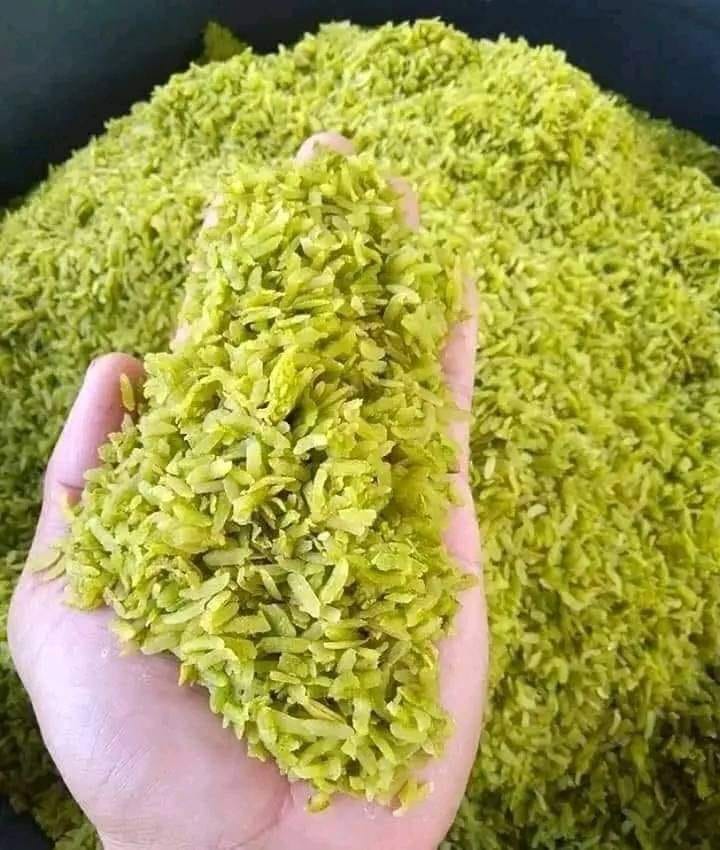
Photo by: Katrin Dayak Art
Engkalak Tempik
Made by pounding engkala fruit with a rice spoon until the fruit turns reddish and its flesh softens.
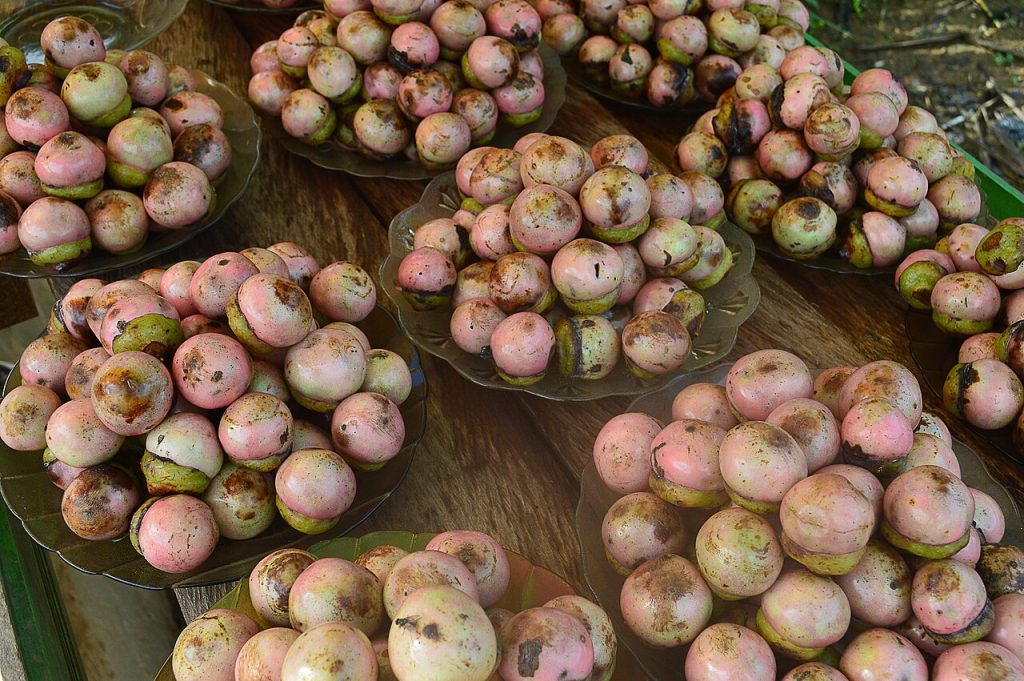
Photo by: Ezagren
Ilum
A traditional chewing practice similar to nyirih, using five types of forest plants: betel leaves, sedik, areca nut, encektur, and jerungan.
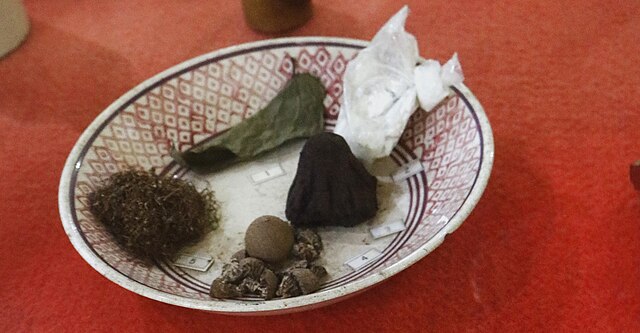
Photo by: Agus Damanik
Kasam/Jukut
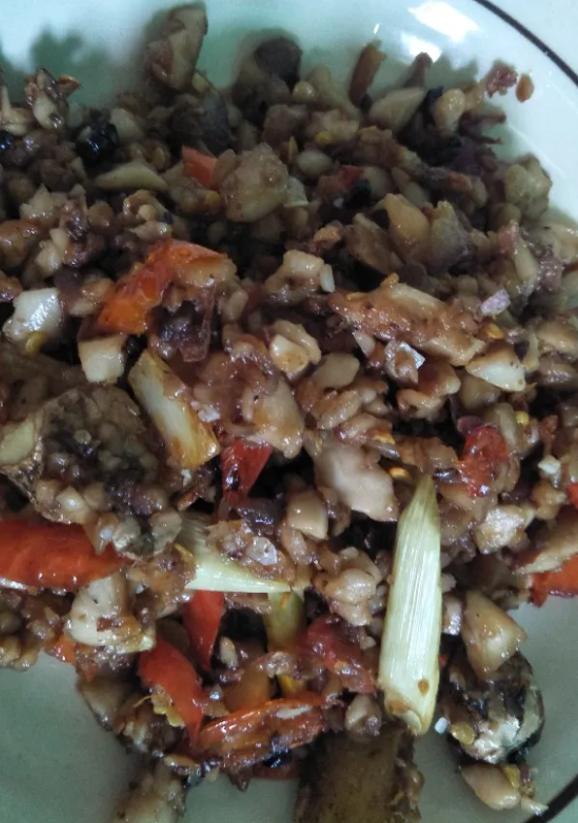
Photo by: Fitri Nurjanna
A fermented dish made from kepayang plants mixed with large amounts of salt and stored in clay jars.
Among all these dishes, the most commonly used plant parts are leaves, seeds, and fruits, while flowers and tubers are used less frequently. Most ingredients come from herbs because of their soft, non-woody stems, followed by trees and shrubs. The cooking process itself is generally simple, involving only stir-frying or boiling before immediate consumption. This method reflects the community’s close relationship with natural and minimally processed food.
Plant-Based: Tradition or Ecology?
Looking at the Dayak Iban diet, it becomes clear that plant-based eating is not a modern concept born from contemporary trends. Rather, it emerged naturally through adaptation to the environment and as a form of respect for nature.
This food culture developed from ecological adaptation to the tropical forest environment, which provides an abundance of edible plants. As a result, the Dayak Iban community feels a responsibility to protect the forest through various customary rules and rituals that express gratitude for the diversity of available food. Their shifting cultivation system and use of wild plants provide many different food sources.
What is now known as a plant-based diet—or even global movements such as Meatless Monday, which encourages people to reduce meat consumption regularly—actually has roots in practices long carried out by our ancestors. The difference is that in the past, these practices were not given specific labels; they were simply part of everyday life.
In this context, choosing plant-based foods, even occasionally, is not something foreign. In fact, it aligns closely with local wisdom that has long taught balance between humans and nature.
However, as time progresses, traditional eating patterns face growing challenges. Modernization, urbanization, and the influence of the food industry have gradually shifted old habits. This change can be seen in the replacement of natural leaf packaging with plastic, as well as increasing dependence on instant food products.
If these trends continue, the impact will not only affect public health, but may also erode cultural values and local knowledge passed down through generations.
The eating practices of the Dayak Iban community remind us that sustainability is not a new concept. It has existed for generations within traditional ways of life, even if it was never formally named.
Reviving local plant-based foods means not only protecting health, but also preserving culture and reducing dependence on the global food system. On a smaller scale, simple choices such as consuming more plant-based foods—even only at certain times—can become meaningful first steps that remain highly relevant today.
Ultimately, preserving traditional food also means preserving ways of life that are in harmony with nature. Within these traditions lie knowledge, identity, and values of sustainability that have been inherited for generations.
References
- Arini, W., Saputra, V. R., & Ramadani, H. (2021). Traditional Utilization of Local Plants in Improving Food Security by the Dayak Iban Tribe in Mensiau Village, West Kalimantan. Biotropika: Journal of Tropical Biology, Vol. 9 No. 1.
- Irwandi, A., Delfi, M., & Nurti, Y. (2022). Ute’Sainak: The Relationship Between Pigs and the Mentawai People in Rereiket, South Siberut. Jurnal Ilmiah Universitas Batanghari.
- Wulandari, R.S., Muflihati., Aden, L.L., & Wahdina. (2024). Utilization of Plants as Traditional Food by the Dayak Iban Community of Mensiau Village, Batang Lupar District, Kapuas Hulu Regency. Jurnal Biologi Tropis, Vol. 24 No. 1: 489–500.